Keeper Stories

Lived routines behind the northern beacons

These excerpts follow watch logs, shared meals, and midnight rounds—small acts of care that kept fragile lights steady through long coastal seasons.

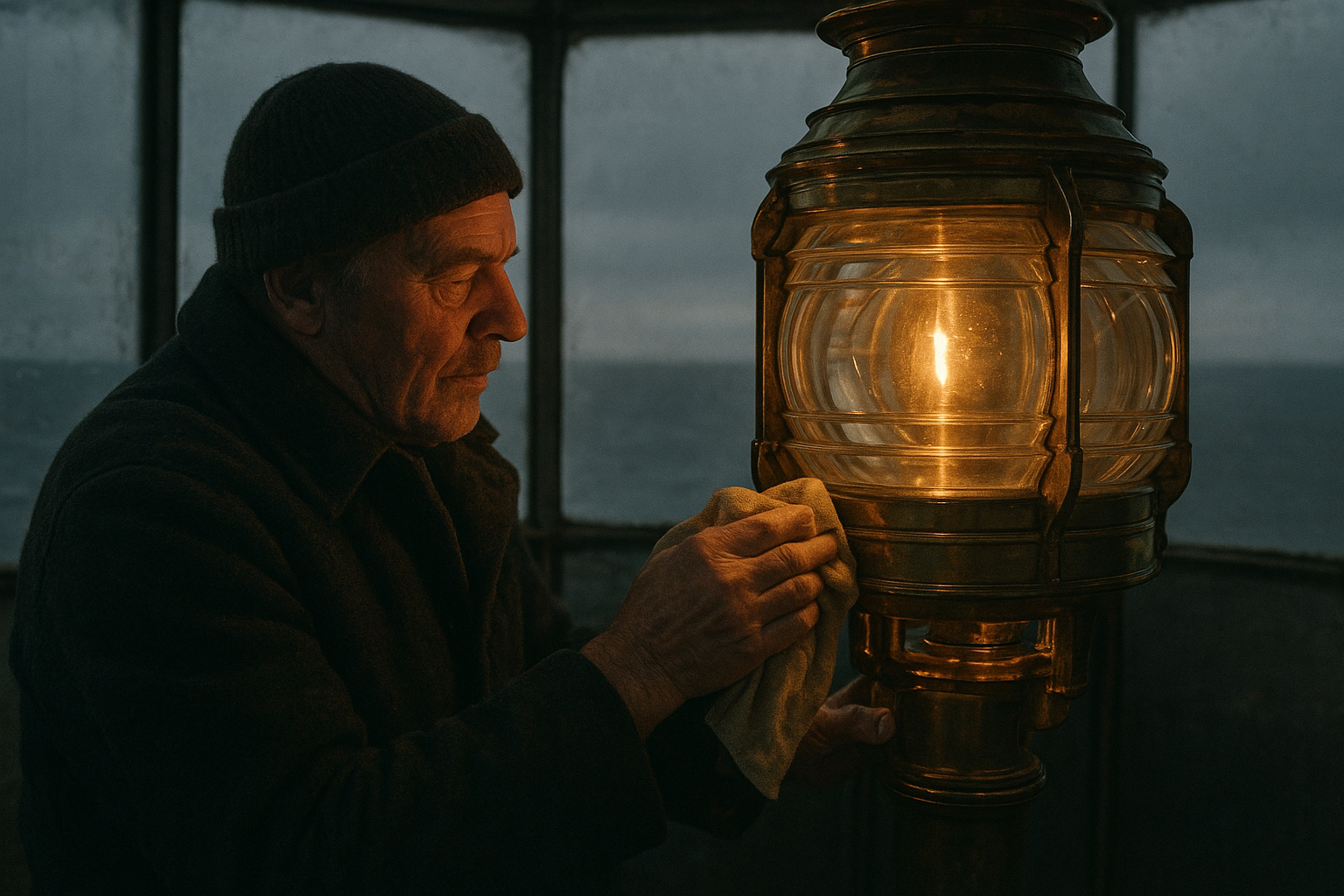
Close archival view of a lighthouse keeper polishing a brass lamp lens at dusk

Winter Circuit · 1894

Polish Before First Fog

A brass lens, a wool cloth, and thirty measured turns before sunset.

The evening log records no heroics, only method: trim the wick, wipe the salt film, test the shutter, repeat. In storm months the keeper worked by touch as much as sight, knowing each bolt by its burr and each hinge by its complaint. The light held because routine did.

Read full excerpt
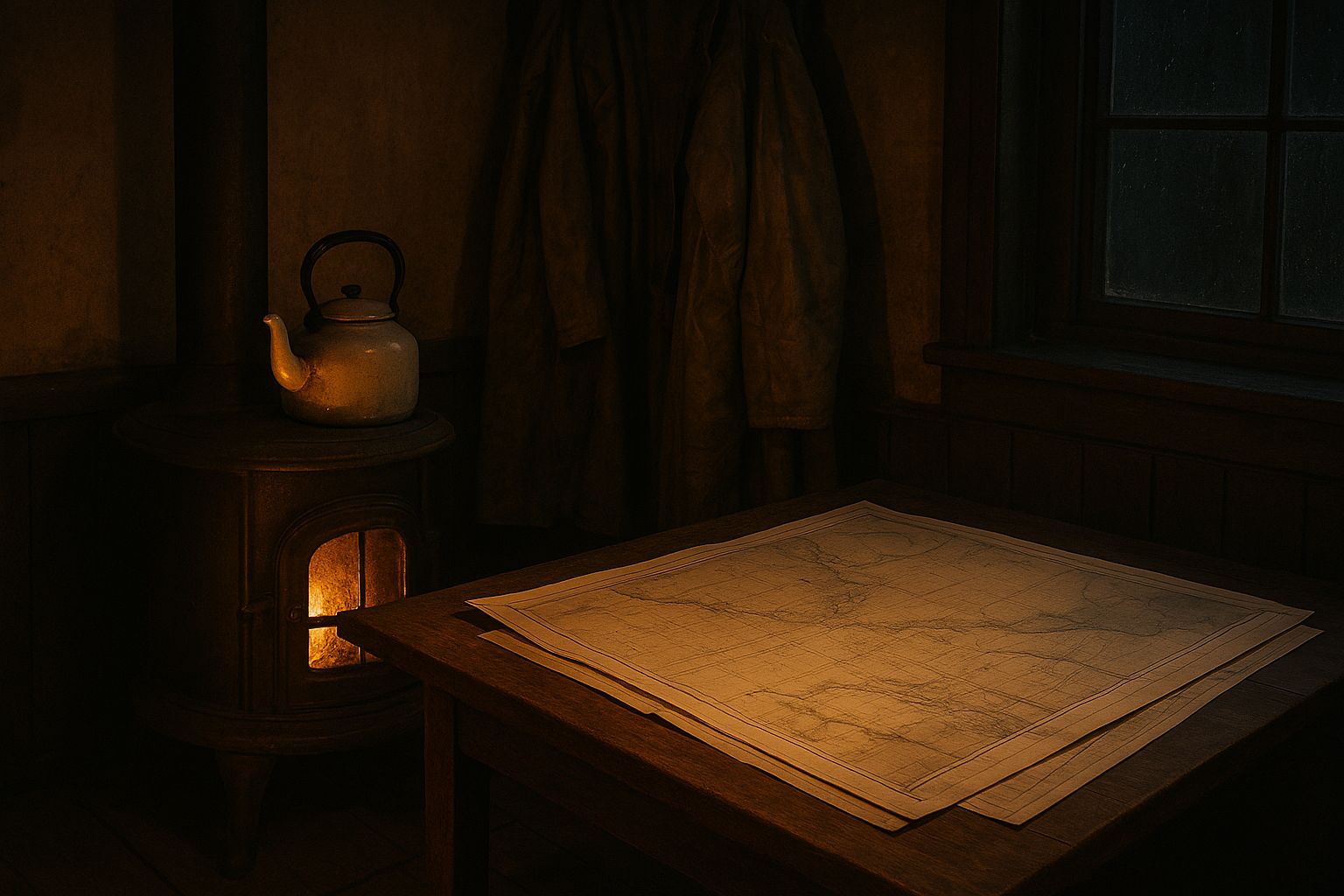
Warm lamplit keeper quarters with enamel kettle, folded charts, and raincoats drying by the door

Night Watch · 1907

Two Chairs by the Stove

Between foghorn intervals, domestic life narrowed to heat, tea, and paper maps.

A visiting inspector noted the quarters as "plain but exact." Boots were lined heel to heel, kerosene tins dated in pencil, and supper timed to the horn schedule. The notes reveal companionship in fragments—shared silence, a borrowed novel, and one extra cup set out each gale night.

Continue reading
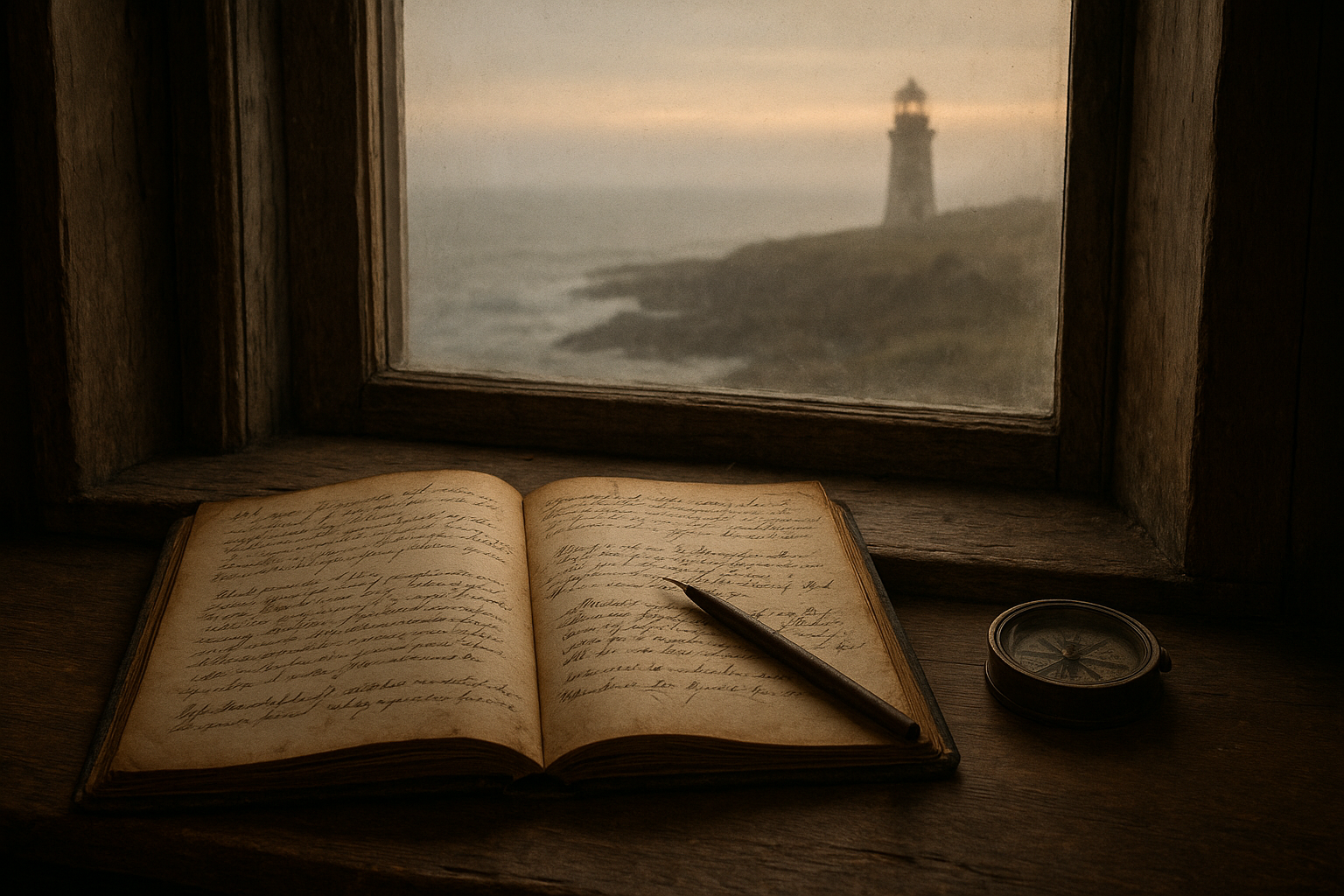
Weathered logbook open on a watch table overlooking a rough northern shoreline at first light

Dawn Entry · 1912

Margins Full of Weather

Wind direction, sea color, and small corrections written before breakfast.

The station ledger blends observation with memory: "swell from northeast," then a line about gulls lifting early over the reef. These pages were practical records first, yet they now read like coastal prose—evidence of patient attention that linked one shift to the next for decades.

View annotated log page

Research FAQ

Common questions while reading the lighthouse archive

Quick reference notes on terminology, sources, and interpretation to keep your reading clear and grounded in historical context.

What does “preserved tower” mean in this archive?

A preserved tower is a lighthouse structure that still stands and has documented conservation activity, even if its original light mechanism is no longer operating.

How should I read terms like lantern, gallery, and keeper’s quarters?

These are architectural labels: the lantern is the glazed light room, the gallery is the exterior walkway around it, and keeper’s quarters are the adjacent living spaces used during staffed operation.

Are archive photographs exact records of condition at one moment?

Usually yes, but framing, weather, and reproduction quality can affect interpretation; we pair images with dates, source notes, and nearby records to reduce ambiguity.

What does the coast map indicate beyond tower locations?

Map notes summarize preservation status, access context, and chronology clusters, helping you compare active sites, surviving structures, and documented losses along the shoreline.

How complete are keeper records in the stories section?

Coverage varies by era and station; some keepers are well documented through logs and payroll lists, while others appear only in brief mentions across local reports or transfer registers.